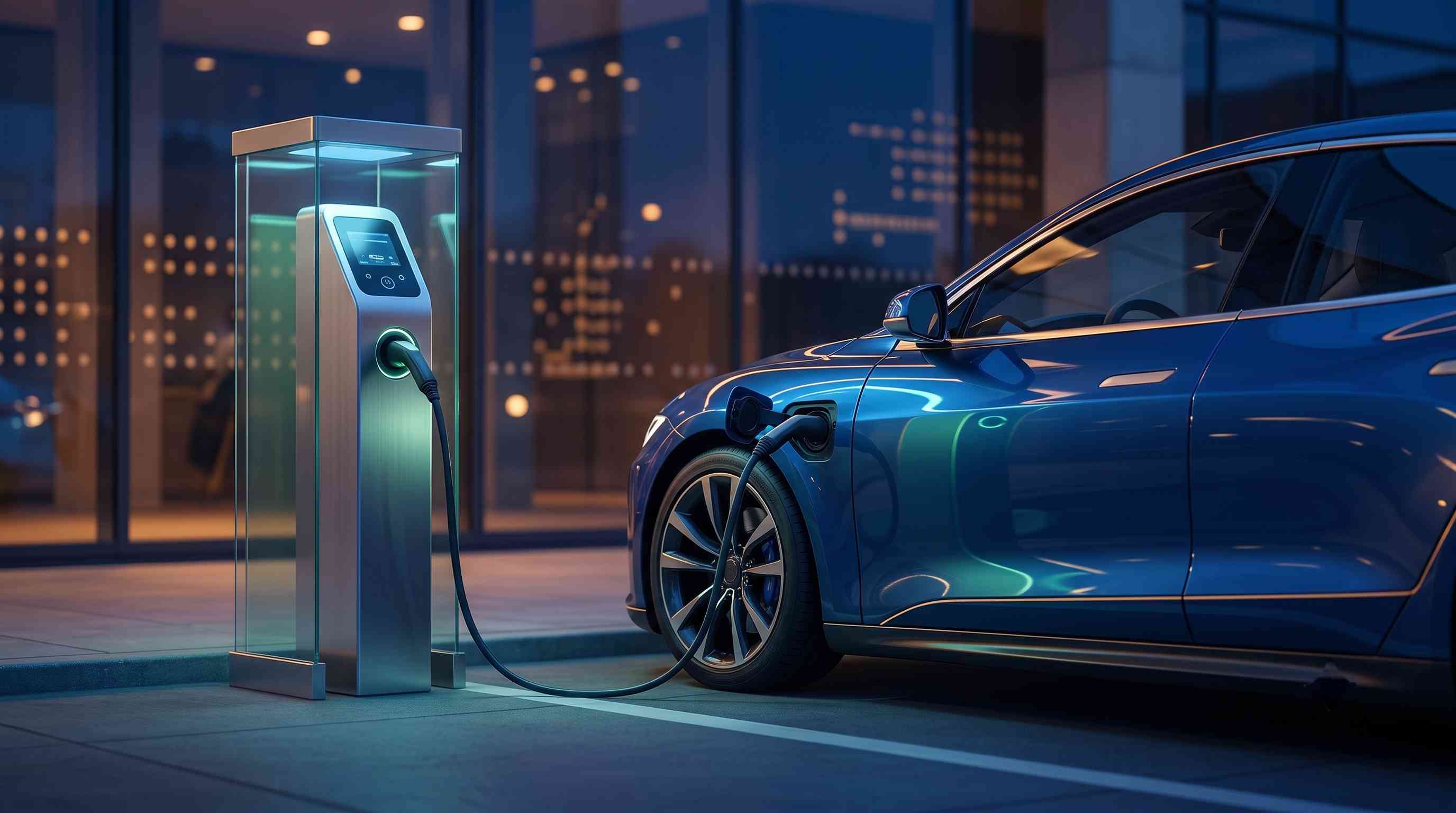
India's electric vehicle market has grown steadily over the past several years, with both established automakers and newer entrants expanding their EV lineups. When a company reports a strong quarter of EV sales, it's worth understanding what actually sustains that kind of momentum, rather than reacting to the headline number alone.
What tends to drive EV sales growth
A few recurring factors show up across the industry:
- Charging infrastructure — expanded charging networks, whether company-operated or through partnerships, reduce a common barrier to EV adoption.
- Model range and pricing — a broader lineup at more accessible price points typically widens the addressable market beyond early adopters.
- State incentives and policy support — subsidies, registration benefits and other incentives can meaningfully affect near-term demand, and their withdrawal can just as quickly cool it.
Why one strong quarter isn't the whole story
Sales figures can be lifted temporarily by factors like incentive deadlines, dealer stocking ahead of a festive season, or a new model launch. The more durable questions are whether order books remain healthy in the following quarters, whether dealer inventory is being absorbed by real retail demand, and whether the company can sustain margins as it invests in new models and infrastructure.
What to watch as an investor or customer
For investors, order-book trends, dealer inventory levels and margin trends over several quarters matter more than any single quarter's sales number. For customers, an expanding charging network and wider model choice are genuinely useful signals that the EV ecosystem is maturing.
The takeaway
A strong quarter is a useful data point but not proof of a durable trend. Look for sustained growth across multiple quarters, alongside improving infrastructure and stable margins, before treating any single company's EV momentum as an established story.