Every time a finance influencer gets called out for bad advice, the conversation follows a predictable arc: outrage, calls for stricter regulation, and a brief dip in views before the next creator fills the gap. I don't think that cycle is solving the actual problem.
Why people turn to finfluencers in the first place
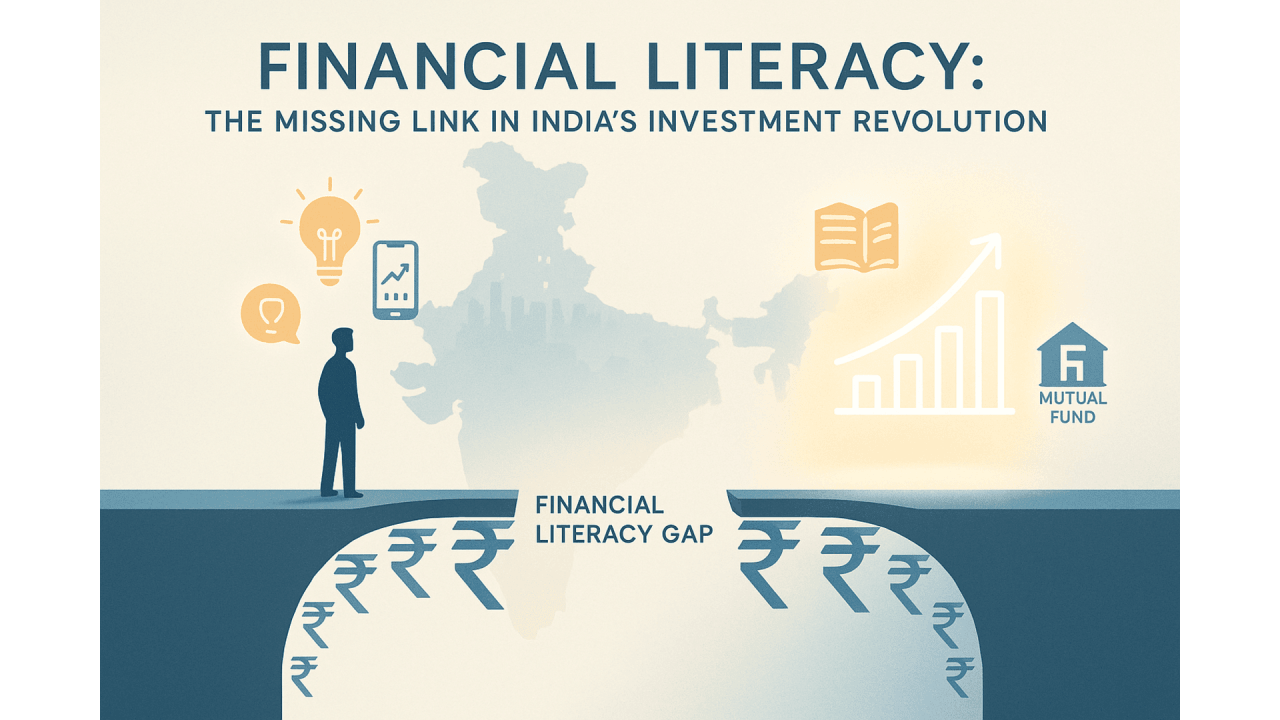
Most schools don't teach personal finance. Most workplaces don't either. For a large number of young earners, the first time they seriously think about taxes, mutual funds, or credit cards is when they start earning — usually with no structured way to learn the basics. Into that gap steps whoever is loudest, most relatable, and easiest to understand, regardless of whether their advice is actually sound.
That's not an excuse for bad advice. It's an explanation for why bad advice finds such a receptive audience.
Regulation alone won't fix this
Stricter disclosure rules and crackdowns on misleading claims are reasonable and necessary — misrepresenting registered advice, guaranteeing returns, or hiding paid promotions should carry consequences. But regulation mostly polices the worst, most obvious offenders. It does little for the much larger volume of advice that's simply mediocre, oversimplified, or subtly wrong in ways that are hard to flag.
What would actually move the needle
A few things seem more durable than chasing individual bad actors:
- Basic financial education earlier, so people arrive at their first salary with some vocabulary for risk, compounding, and debt.
- Better default choices — for example, sensible default options in retirement and investment products — so people who never engage deeply with finance still end up reasonably well served.
- More accessible, boring, well-sourced content competing for the same attention that sensational claims currently win by default.
My take
Chasing down individual bad actors will always be a step behind — there's always a new account, a new platform, a new claim. The more durable fix is raising the baseline: if more people arrive with even a little financial literacy, bad advice simply has less room to spread. That's a slower, less satisfying fix than a viral takedown, but it's the one that actually compounds.