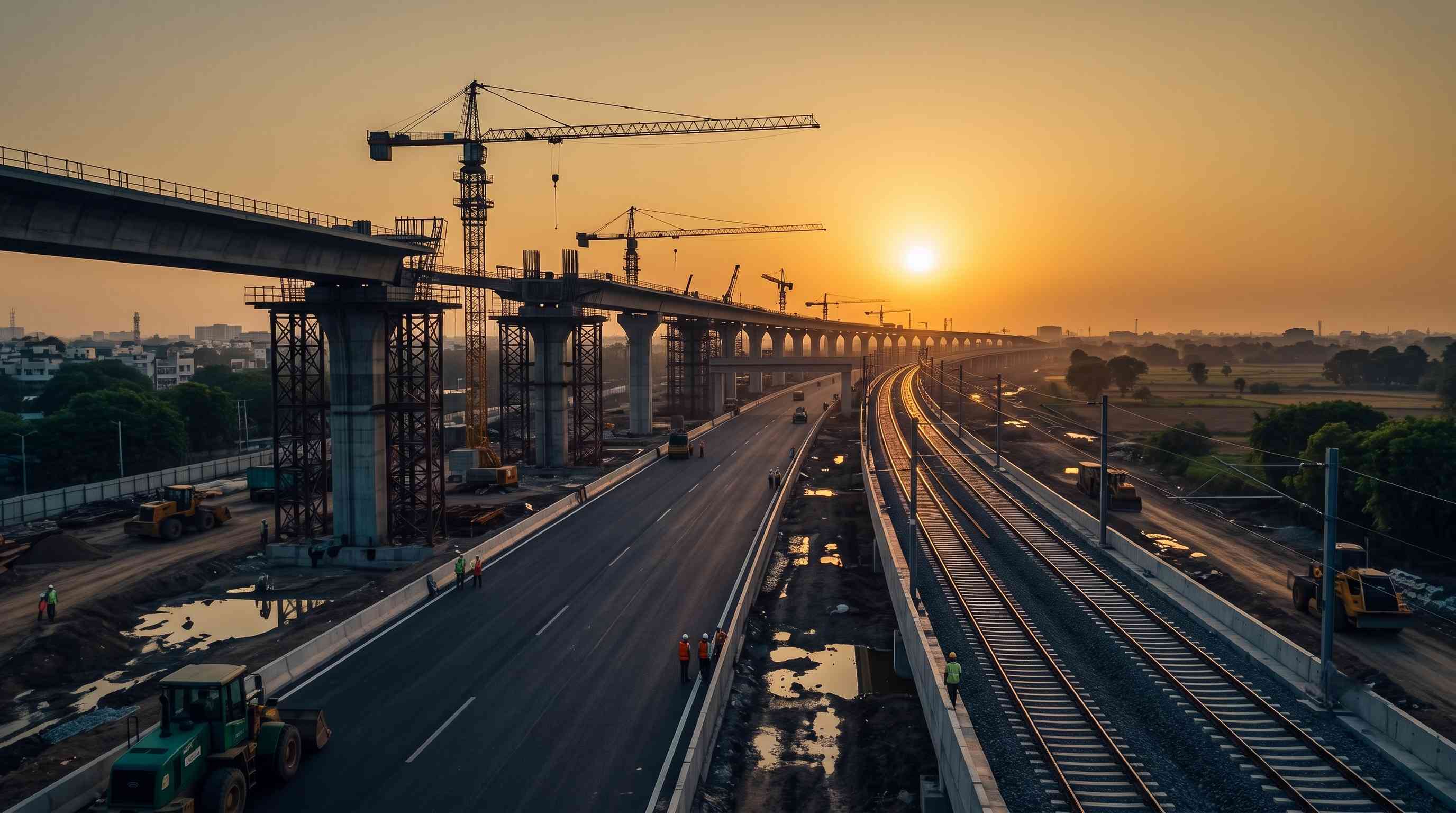
Government capital expenditure — spending on roads, railways, ports, power and other long-lived infrastructure — is one of the most-watched levers in India's growth story. Unlike routine (revenue) spending, capex creates assets that can boost productivity for years afterward.
Why capex gets so much attention
Infrastructure spending has a multiplier effect: building a highway or rail corridor creates immediate construction jobs and demand for materials like steel and cement, and also lowers logistics costs for businesses long after the project is completed. Roads, railways and renewable energy projects are common priority areas because they address long-standing bottlenecks and support other sectors' growth.
Announcements versus execution
A large capex allocation is only the starting point. The real economic impact depends on execution: how quickly land is acquired, contracts are awarded, and projects move from paper to construction. Delays are common in large infrastructure programs due to land acquisition disputes, environmental clearances, or contractor capacity constraints.
What to watch to judge progress
Rather than focusing only on headline allocation numbers, useful signals include:
- Tender and contract award activity — a rising pace of awards suggests projects are moving from planning to execution.
- Order books of construction and infrastructure companies — these often reflect real project flow before it shows up in official spending data.
- Actual spending versus budgeted spending — comparing the two over the fiscal year shows whether allocations are translating into real outlays.
The takeaway
A large capex allocation is a signal of intent, not a finished outcome. For anyone following India's infrastructure story — as an investor, business owner, or simply an interested citizen — tracking execution metrics over the following quarters tells you far more than the initial announcement does.